
There is a special kind of magic in England’s oldest coastal pubs—a charm that fuses sea spray, centuries of local lore, resilient architecture, and often, the ghosts of generations past. These historic inns stand as witnessing sentinels to maritime adventures, smuggling escapades, shipwreck tragedies, creative genius, and the day-to-day conviviality of communities shaped by the sea’s temperament. Drinking in these pubs is not just about enjoying a pint, but about stepping into a living museum, where the very walls hold the stories of poets, pirates, clergy, common folk, and secrets whispered in flickering candlelight.
Exploring England’s coastal pubs is a journey through time and tide—a voyage that reveals the enduring role of the public house as a social hub, a refuge, and a beacon of local identity. This article explores ten of England’s oldest and most treasured coastal pubs, from Dorset to Cornwall, Yorkshire to Suffolk, weaving together fascinating tales of their origins, architectural features, and cultural imprint as well as two additional legendary establishments with extraordinary histories. Prepare to embark on a voyage across England’s ancient shores, where history and hospitality meet at every turn.
1 The Smugglers Inn, Osmington Mills, Dorset
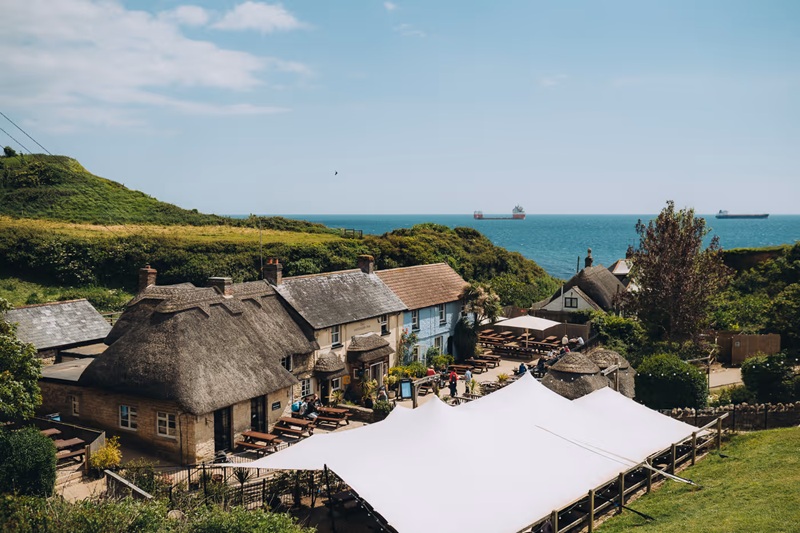
Perched on the craggy cliffs of Dorset’s Jurassic Coast, the Smugglers Inn evokes the drama and danger of England’s coastal history. The inn’s roots stretch back to the 13th century, but its 17th and 18th-century smuggling heyday is what fuels its mystique. Under the stewardship of Emmanuel Charles, its then name “The Crown” belies the roguish activity hidden within.
Smugglers used the rugged coves beneath the inn to unload contraband French brandy, silk, and tea, avoiding excise men with a complex network of secret cellars and lifting hatches beneath the floorboards. The infamous French smuggler Pierre Latour reputedly operated from here, weaving a web of coastal conspiracy. The original flagstone floors and thick oak beams survive as tactile links to those shadowy nights.
Local lore tells of a pirate’s treasure map sealed within a stone wall behind the bar—an irresistible legend endeavouring to lure treasure hunters and historians alike. The inn’s dramatic location offers sweeping sea views, perfect for imagining hidden boats slipping in under cover of darkness. The building’s atmospheric history was even captured in a 2020 episode of “The Real Ghost Hunters,” underscoring its spectral reputation.
Beyond tales of smuggling and ghosts, the pub remains a warm, inviting place to savour Dorset’s local ales, surrounded by the whispers of centuries.
2 The Bush Inn, Morwenstow, Cornwall
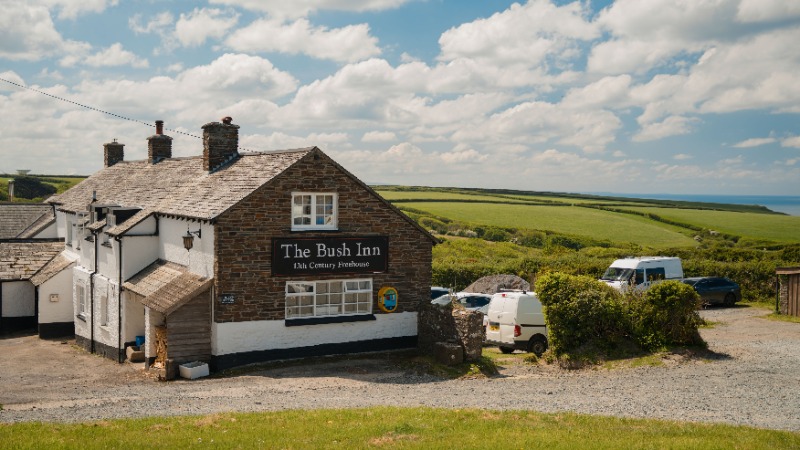
On Cornwall’s rugged north coast, where Atlantic gales shape landscapes and lives alike, the Bush Inn stands as a 13th-century sanctuary of culture and community. Built of thick granite and topped with a slate roof, the pub is known not just for sheltering fishermen and coastguards but also for its deep literary heritage.
Reverend Robert Stephen Hawker, an eccentric 19th-century vicar and poet, made the Bush his creative haunt. Here, by roaring fires in vast inglenook hearths, Hawker composed the stirring “Song of the Western Men,” a Cornish anthem that echoes local pride. Visitors of note included poets Alfred Lord Tennyson and author Charles Kingsley, who reportedly savoured the cozy nooks and convivial atmosphere.
The pub’s thick stone walls have absorbed countless recitations, debates, and boisterous storytelling sessions shared between law enforcers and local smugglers—both patrons of the Bush despite their differing agendas. The pub’s remote setting adds to its wild romanticism, a place where storm and sea mingle and history seems impervious to time.
3 The Turks Head, Penzance, Cornwall
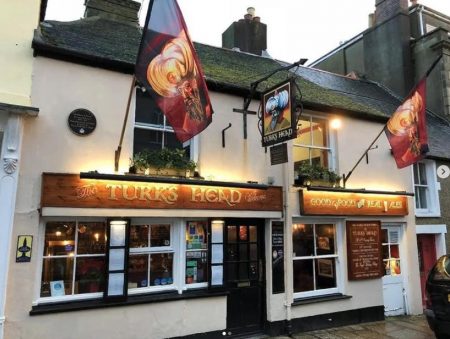
Claiming heritage dating back to 1233, the Turks Head stands as arguably Cornwall’s oldest pub, steeped in tales of piracy, survival, and social complexity. Named after the Barbary pirates whose raids terrorized Mount’s Bay, the pub’s sign—depicting a Turkish warrior’s head—reminds visitors of Cornwall’s perilous maritime past.
Architecturally rich, the pub features medieval leaded windows, timber frames, and a secretive cellar well believed to have been the town’s former water supply. Beneath the floors, secret passages once ferried contraband and youths conscripted by press gangs into forced naval service, known as “shanghaiing.”
A lingering spectral presence called “Bridie,” thought to be a former barmaid, haunts the cellar, contributing to the pub’s ghost stories that intrigue both locals and tourists. The juxtaposition of medieval architecture with these living legends creates an immersive environment that feels both historical and otherworldly.
4 The Pandora Inn, Mylor, Cornwall
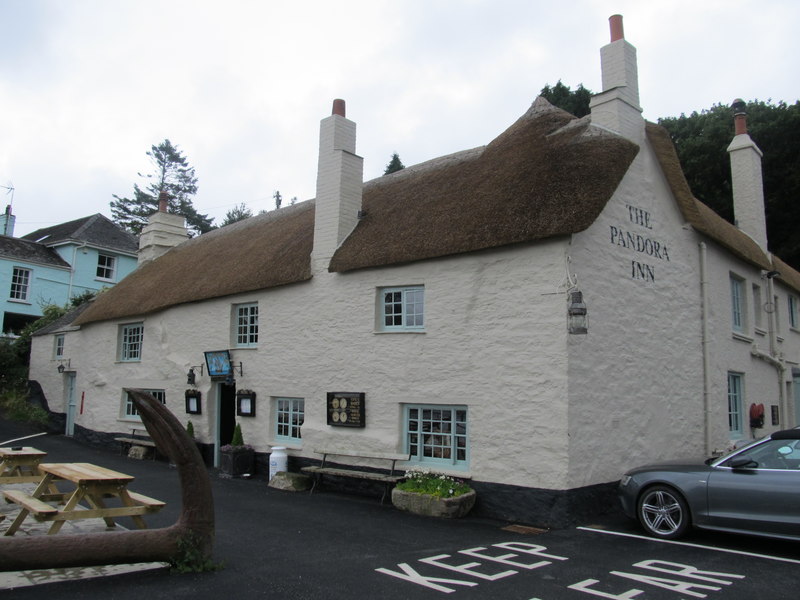
Nestled beside tranquil Mylor Creek overlooking the expansive Carrick Roads, The Pandora Inn traces a history to the 13th century, named in honour of the ill-fated HMS Pandora dispatched to capture the Bounty mutineers. Its Grade II-listed status recognizes the building’s architectural and cultural significance.
Thatched roofs, weathered flagstone floors, and open fires combine with a wooden pontoon for mooring boats—unique for pubs and a reminder of its symbiosis with the sea. The inn suffered a severe fire in 2011 but was meticulously restored using traditional materials, preserving 17th-century oak panelling and structural timbers.
Sailors, shipwrights, pirates, and artists have gathered here over the centuries, fostering an atmosphere tinged with maritime lore and creative spirit. Its setting provides a peaceful yet historically vibrant drinking spot where the tides and tales flow together.
5 The Tinners Arms, Zennor, Cornwall
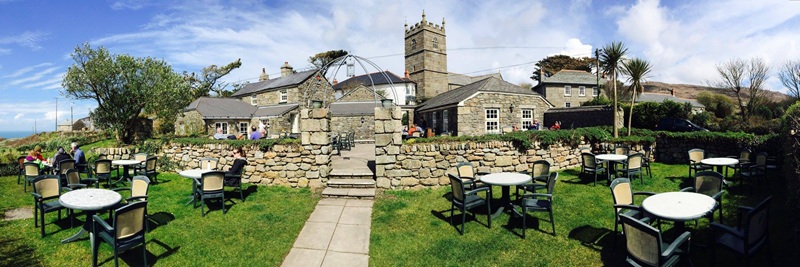
Atop the granite cliffs of Zennor, The Tinners Arms is a fortress of Cornish history dating from 1271, likely constructed to house masons working on the local parish church. Built of thick granite rubble and featuring vast open fireplaces and exposed beams, the pub’s architecture is a testament to rural endurance.
Traditionally frequented by tin miners and local walkers, it retained an air of isolation and rugged charm over centuries. D. H. Lawrence and his wife Frieda stayed nearby in 1916 during wartime exile, drawing inspiration from the stark landscapes and inhabitants around the inn, shortly reflected in his literary works.
Local folklore adds colour: the church parson reputedly “fetched home” parishioners who had lingered too long at the pub—a quaint reminder of the tension between earthly pleasures and spiritual duties.
6 The Sloop Inn, St. Ives, Cornwall
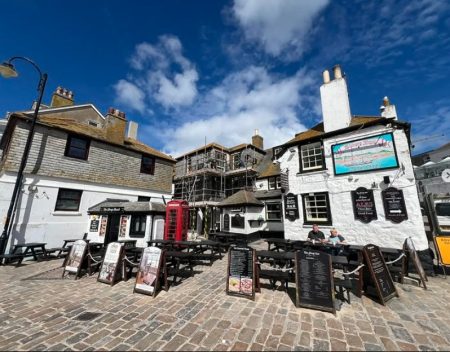
Dating from around 1312, The Sloop Inn remains one of Cornwall’s most beloved pubs, nestled on the bustling harbour of St. Ives. Its signature whitewashed façade, low ceilings, and labyrinthine interior reflect centuries of organic growth to meet the town’s fishing and artistic needs.
Victorian and Edwardian artists from the St. Ives School found inspiration and camaraderie here, alongside sailors and fishermen. Secret cellars beneath the pub facilitated smuggling of pilchards and contraband brandy, linking the pub to Cornwall’s complex maritime economy.
Visitors today appreciate the old oak beams, slate floors, and intimate snugs that evoke a deeply Cornish vernacular style, hosting the ghosts of artistry and adventure alike.
7 The Ship Inn, Saltburn-by-the-Sea, North Yorkshire
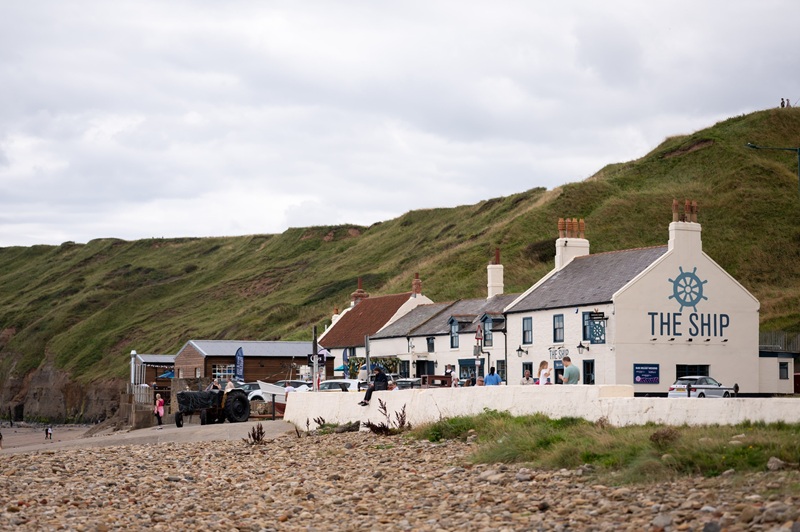
Set above Saltburn’s sandy beach, The Ship Inn emerged in the early 19th century as a popular haunt for the local fishing community. Its whitewashed walls, pitched roof, and sash windows look out over powerful North Sea waves.
Inside, timber beams and open fires create the atmosphere of a hardy coastal pub. The Ship Inn has long been a refuge for fishermen recounting tales of smuggling, storms, and shipwrecks, weathering the social changes brought by Victorian tourism while preserving its maritime soul.
8 The Ship Inn, Dunwich, Suffolk
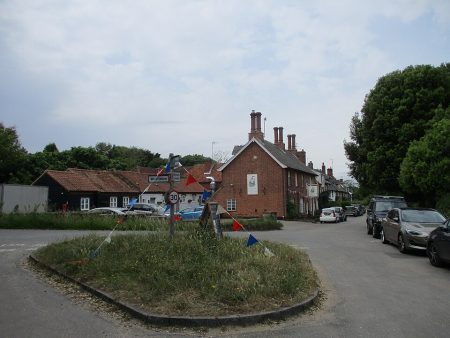
Dunwich, once a thriving medieval port now largely swallowed by the North Sea, is known as “The Lost City.” The Ship Inn, dating to the 16th century, is one of the few remnants clinging to existence on the eroding shore.
Constructed with timber frames, Suffolk brick, and a slate roof, the inn’s fireside dining room is adorned with maritime relics salvaged from the sea. Local oral history talks of ghostly church bells ringing from submerged spires beneath stormy waves, lending a haunting soundscape to the pub’s ancient walls.
The inn has sheltered monks, coastguards, fishermen, and shipwrecked sailors, its history intimately tied to the ebb and flow of Dunwich’s fortunes.
9 The Cove House Inn, Chesil Beach, Dorset
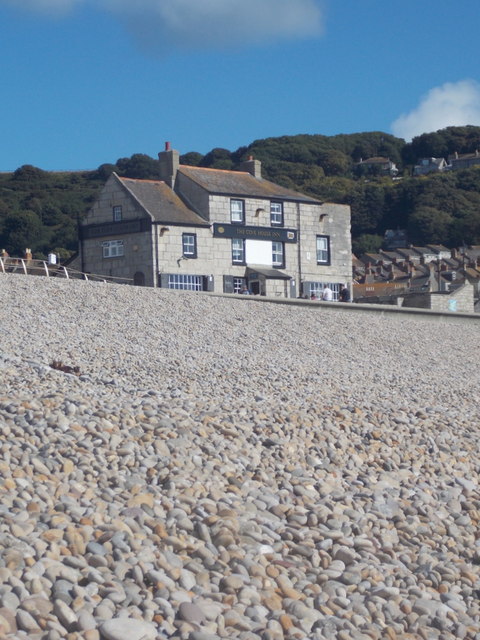
Built in the early 1800s on the ever-changing shingle of Chesil Beach, The Cove House Inn is a testament to human resilience against nature’s might. Its thick stone walls and deeply recessed windows are designed to repel hurricane-force winds and waves.
The inn famously provided refuge to Stanley Lord, captain of the Californian, whose controversial actions during the Titanic disaster remain debated. Generations of smugglers, fishermen, coastguards, and beachcombers have relied on the Cove House for shelter and sustenance amid the relentless maritime environment.
10 The Bay Hotel, Robin Hood’s Bay, North Yorkshire
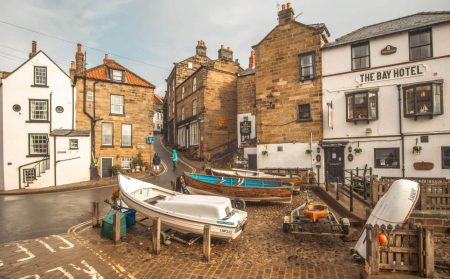
At the end of the narrow, cobbled streets of Robin Hood’s Bay, The Bay Hotel stands as a proud monument to the village’s smuggling past. Dating from about 1828, it sprawls across multiple uneven floors, bearing scars from storms and landslips that have reshaped this coastal retreat over the centuries.
The hotel overlooks the historic slipway where fishermen once landed their catch alongside contraband. It also marks the terminus of Wainwright’s famed Coast-to-Coast Walk, bringing walkers to rest amid tales of shadowy smugglers whose tunnels run beneath the streets and excise officers patrolling just above.
Embark on a Road Trip through England’s Coastal Pub Heritage
England’s oldest coastal pubs offer more than refreshment—they offer stories, architecture, and atmosphere that lace history into every corner. From Dorset’s dramatic cliffs to Cornwall’s literary and smuggling strongholds, from Yorkshire’s resilient fishing ports to Suffolk’s lost medieval town, these inns are gateways to the past as much as havens in the present.
For any traveller with a thirst for culture, community, and history, a well-planned road trip through these remarkable pubs offers an unparalleled experience. Set out from the cliffside Smugglers Inn at Osmington Mills, journey through Cornwall’s wild moors and artist’s havens including The Bush Inn and The Sloop Inn, then head north to the stoic Ship Inns of Saltburn and Dunwich, stopping to rest at the storm-scarred Cove House Inn and finally arriving at the rollicking Bay Hotel in Robin Hood’s Bay.
Each pub invites you not merely to drink but to listen—to the waves, the winds, the voices of artists, smugglers, and simple folk—and to become part of a living, breathing heritage that has shaped coastal England for centuries.
Raise your glass to England’s coastal pubs: sentinels of history, hearth, and heart.
Written by C. James McPherson MA MSc.